
Visita il museo piu celebre di Madrid con sicurezza
Il Museo del Prado e uno di quei luoghi che premiano sia chi pianifica con cura sia chi ama lasciarsi guidare dall'istinto.
Puoi arrivare con una lista di capolavori sognati per anni, oppure lasciarti trascinare dalle sale da un dipinto all'altro.
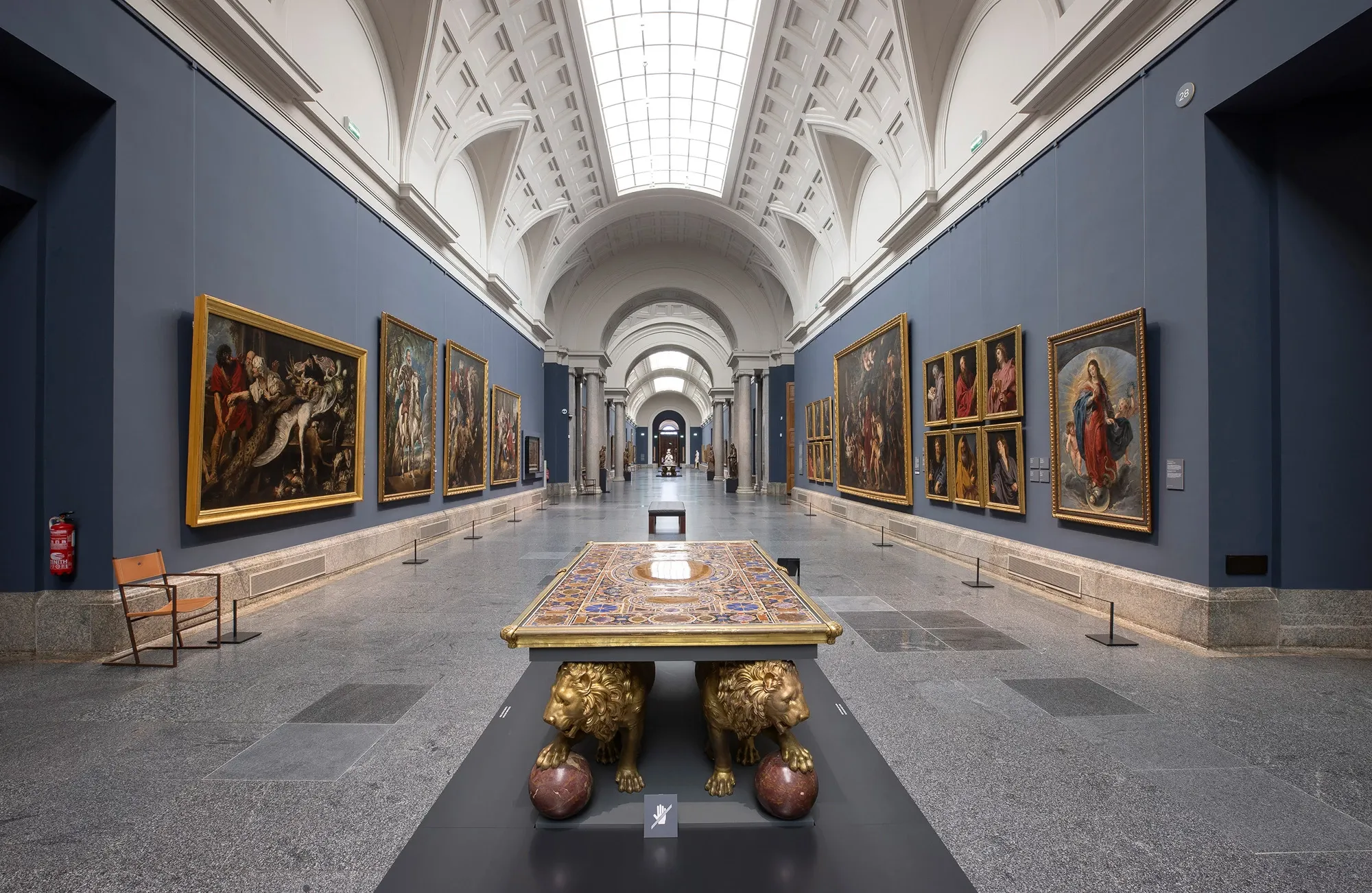
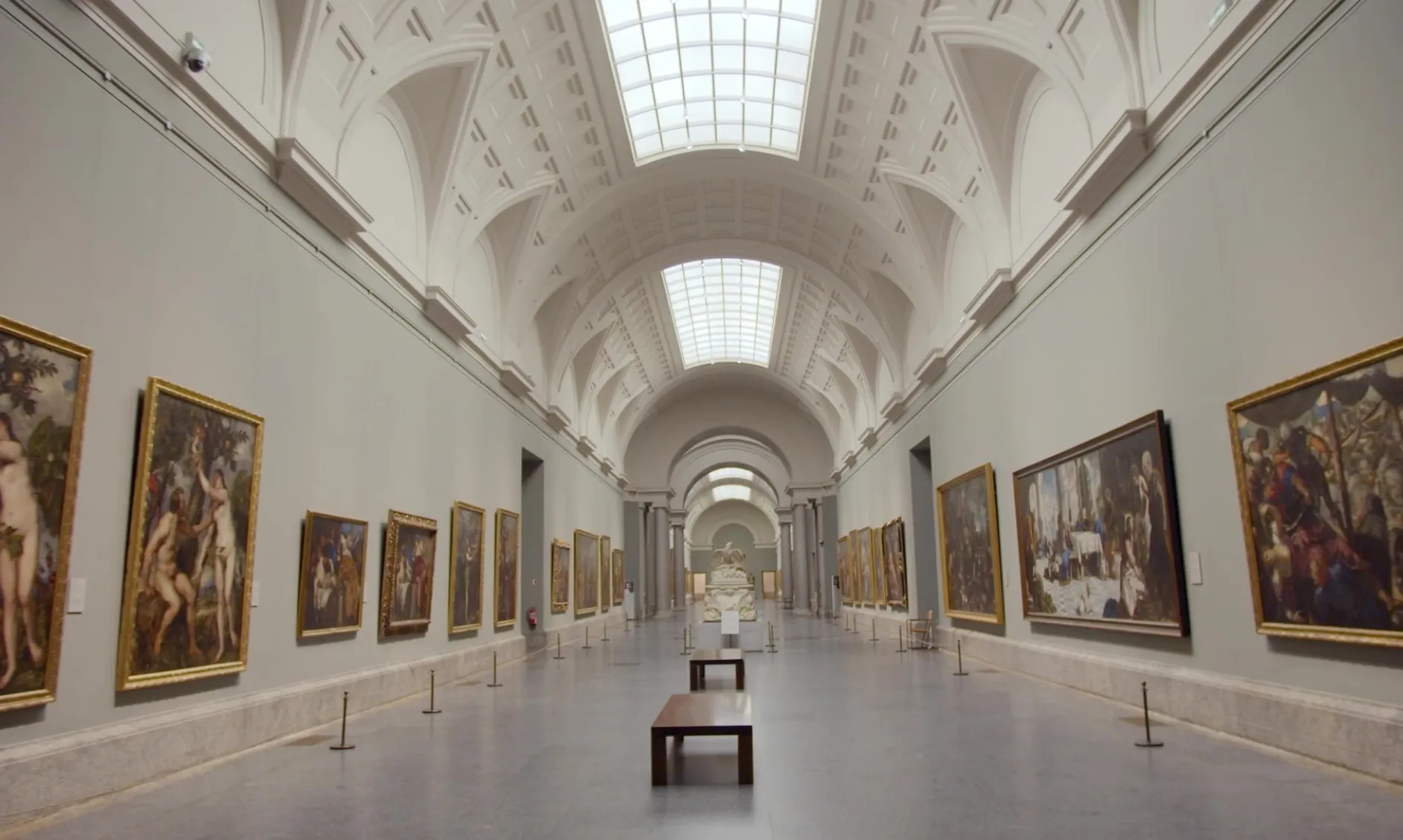
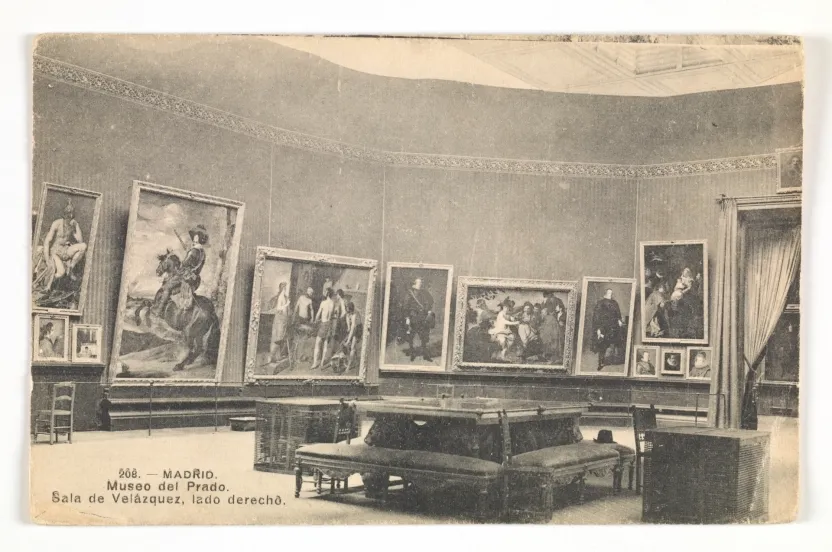
All'interno ti muovi in una collezione straordinaria di arte spagnola, fiamminga e italiana, dove ritratti di corte, pale d'altare, scene mitologiche e momenti profondamente umani si susseguono con una ricchezza davvero sorprendente..
Museo del Prado Orari di apertura
Il museo apre in genere tutti i giorni, con orari ampi che permettono di organizzare sia una visita concentrata al mattino sia un pomeriggio piu lento tra le gallerie. Gli orari esatti possono cambiare durante festivita o date speciali, quindi e sempre consigliabile controllare le informazioni ufficiali piu aggiornate prima di partire.
Museo del Prado Giorni di chiusura
Il Prado e aperto per gran parte dell'anno, anche se in alcune festivita pubbliche e date particolari possono esserci orari ridotti o chiusure. Anche le mostre temporanee possono influire sull'accesso a determinate sale e sul flusso dei visitatori.
Dove si trova
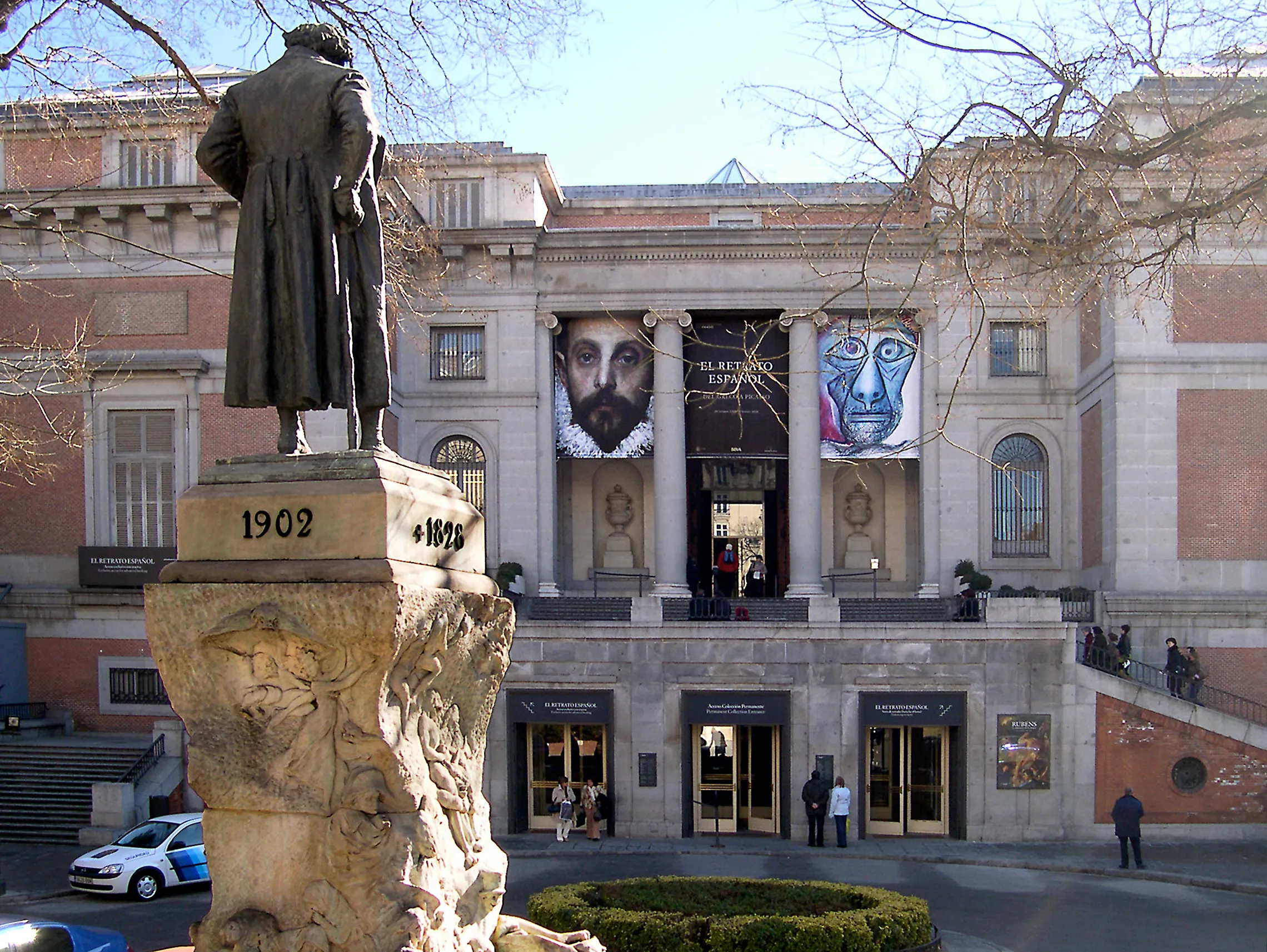
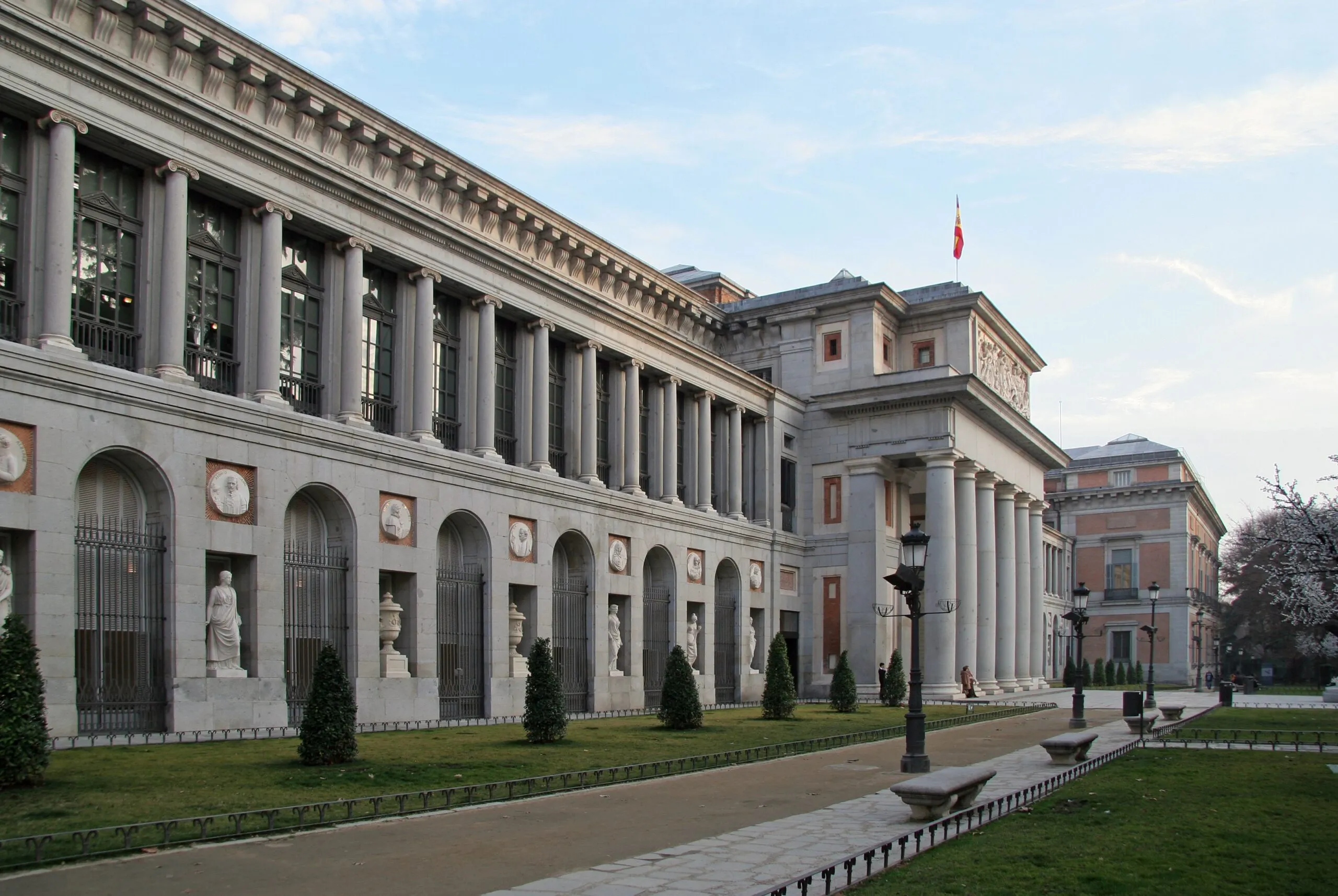
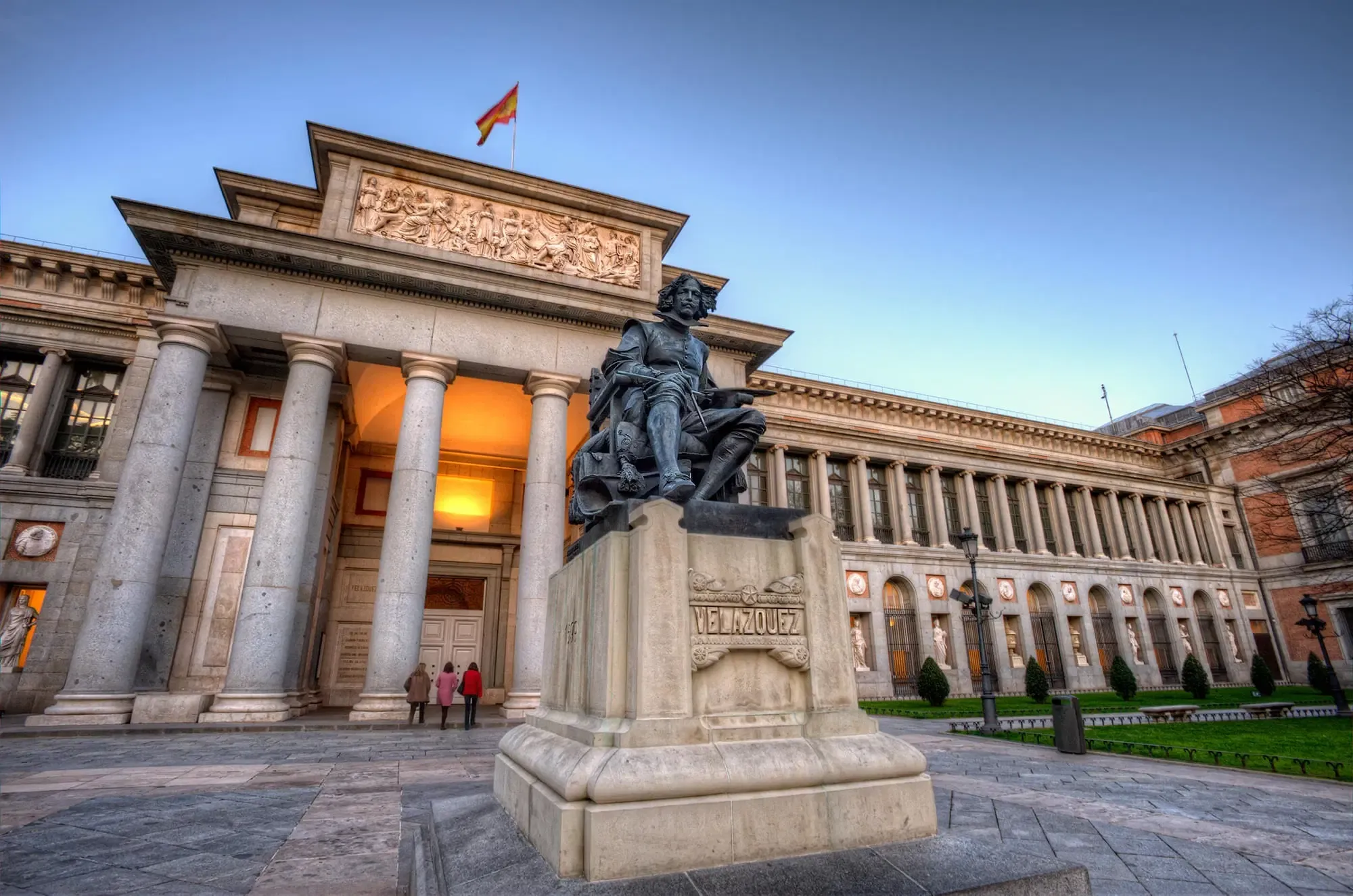
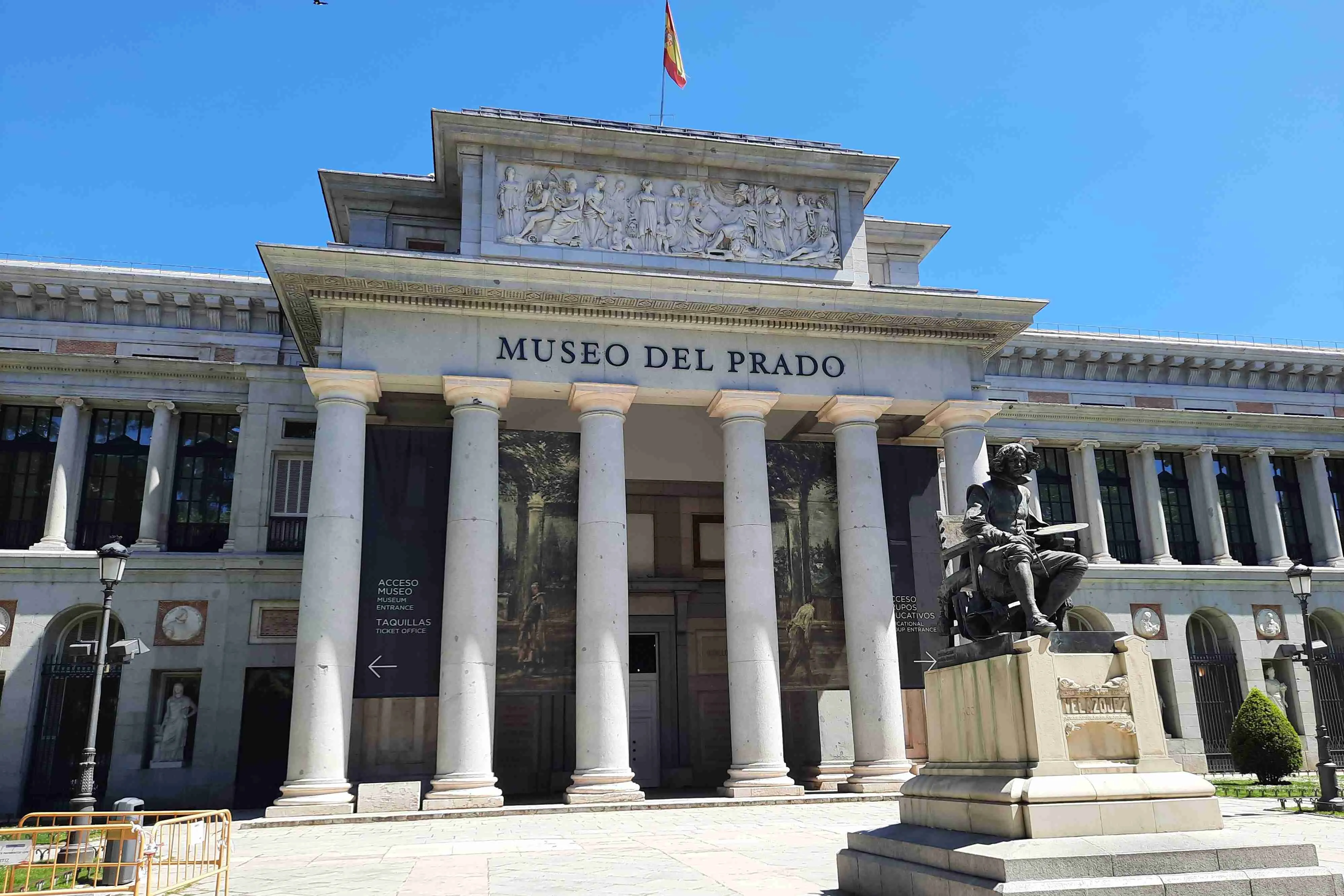
Museo Nacional del Prado, Paseo del Prado, Madrid, Spagna
Come arrivare al Museo del Prado
Il Prado si trova sull'elegante Paseo del Prado, nel cuore del Triangolo dell'Arte di Madrid. E facile da raggiungere in treno, metro, autobus urbano, taxi oppure a piedi da zone centrali come Sol, Huertas, Barrio de las Letras e Retiro.
In treno
Se arrivi in treno, Atocha e di solito il nodo ferroviario piu comodo. Da li la passeggiata fino al museo e semplice e piacevole, tra grandi viali, tratti alberati e alcune delle istituzioni culturali piu note della citta. Anche Recoletos puo essere una buona soluzione, a seconda della zona da cui provieni.
In auto
Raggiungere il centro di Madrid in auto e possibile, ma raramente e la scelta piu pratica per una visita al museo. Tra traffico, zone a accesso limitato e costi dei parcheggi, la giornata puo complicarsi facilmente. Se arrivi comunque in macchina, di solito conviene usare un parcheggio a pagamento nelle vicinanze e proseguire poi a piedi fino all'ingresso.
In autobus
Diverse linee degli autobus urbani di Madrid fermano a pochi minuti a piedi dal Prado, rendendo il trasporto pubblico una soluzione molto comoda da molte zone della citta. Una volta arrivato sul Paseo del Prado, il museo e ben segnalato e facile da individuare.
A piedi
Raggiungere il Prado a piedi e uno dei piaceri di una visita in questa parte di Madrid. Da Retiro, dal Barrio de las Letras o perfino da Puerta del Sol, il tragitto e molto affrontabile e aiuta a entrare nel ritmo giusto per una giornata dedicata all'arte, all'architettura e alla citta.
Perche visitare il Museo del Prado
Perche non e solo un museo da spuntare in lista. E un luogo dove alcuni dei dipinti piu potenti d'Europa compaiono uno dopo l'altro e dove anche una visita breve puo risultare stratificata, intensa e sorprendentemente memorabile.
Museo del Prado
Velazquez e la corte spagnola
Il Prado e uno dei luoghi essenziali al mondo per incontrare Diego Velazquez. I suoi ritratti di sovrani, cortigiani, nani, buffoni e dame di compagnia sono pieni di intelligenza, misura, dignita e profondita psicologica, e gia Las Meninas da sola basta a trattenere i visitatori davanti al dipinto molto piu a lungo del previsto.
Il genio e l'oscurita di Goya
Pochi musei presentano Francisco de Goya con una tale ampiezza e una simile forza emotiva. Si passa dalle eleganti commissioni di corte a scene di violenza, disillusione e paura privata, percependo come un solo artista sia riuscito a riflettere insieme lo splendore e l'inquietudine di un'intera epoca.
Bosch, Rubens, Tiziano e oltre
Il Prado non parla soltanto di pittura spagnola. Le sue raccolte di arte fiamminga e italiana sono eccezionali, e le sale dedicate a Bosch, Rubens, Tiziano e ad altri maestri danno al museo una scala europea ampia e nobile, mantenendo la visita varia, sorprendente e ricchissima.
Museo del Prado in breve
Una panoramica rapida prima di organizzare la tua visita.
Prenota la tua visita al Museo del Prado
Scegli un biglietto standard per avere flessibilita, oppure un'opzione guidata se desideri il supporto di un esperto e un percorso piu chiaro tra i punti salienti.
Se stai costruendo una giornata culturale piu ampia a Madrid, i biglietti combinati e i musei vicini possono trasformare la visita al Prado in parte di un itinerario artistico ancora piu ricco.
Biglietti e visite guidate per il Museo del Prado
Confronta ingressi a orario, accessi prioritari e visite guidate per capire se preferisci un percorso rapido tra i capolavori, un'esperienza piu approfondita di storia dell'arte o un pomeriggio indipendente e senza fretta nelle gallerie.
Puoi cancellare gratuitamente fino al giorno precedente alla visita.