Prado Masterpieces Route: 15 Must-See Works in Logical Order
A structured Prado Museum route covering 15 must-see masterpieces by Velazquez, Goya, Bosch, Rubens, and El Greco.
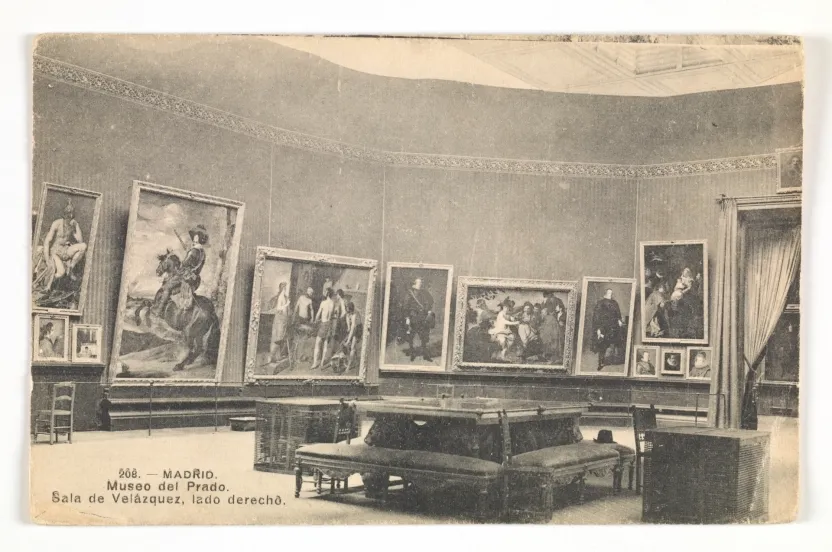
This route is built for clarity: minimum backtracking, maximum narrative flow.
Route Logic
The sequence follows a visual arc:
- Royal image-making
- Social and political rupture
- Symbol and imagination
Suggested 15-Work Spine
| Sequence | Work | Why it matters |
|---|---|---|
| 1 | Las Meninas | The grammar of looking |
| 2 | Philip IV portraits | Power staged through restraint |
| 3 | The Triumph of Bacchus | Myth meeting everyday life |
| 4 | The Surrender of Breda | Political theater and empathy |
| 5 | Clothed Maja | Public persona |
| 6 | Nude Maja | Private gaze and controversy |
| 7 | Third of May 1808 | Modern anti-war icon |
| 8 | Black Paintings context | Late existential turn |
| 9 | Bosch triptych | Medieval imagination at full volume |
| 10 | Rubens mythological canvas | Movement and flesh |
| 11 | El Greco religious work | Vertical spirituality |
| 12 | Murillo devotional scene | Counter-Reformation warmth |
| 13 | Ribera martyrdom scene | Chiaroscuro intensity |
| 14 | Titian court portrait | Dynastic elegance |
| 15 | Final return to Las Meninas | See it again with new eyes |
Pro move: revisit one masterpiece at the end. Second viewing is always deeper.
Time Budget
- Fast pace: 90 minutes
- Balanced pace: 140 minutes
- Slow pace: 210 minutes
Quick pacing formula
total_minutes = works * minutes_per_work + transitions
Extra Planning Layer
What to do before arrival
- Pick one primary goal: highlights, context, or deep study.
- Decide your maximum work count to protect attention quality.
- Keep a backup mini-route in case rooms are crowded.
On-site decision rules
| Situation | Best adjustment |
|---|---|
| A room feels overcrowded | Move to your next priority and return later |
| Energy drops early | Cut scope by 30% and add a seated pause |
| You feel rushed | Revisit one anchor work and skip secondary rooms |
Reflection prompts
- Which work changed after a second look?
- Which room felt easiest to concentrate in?
- Which artist would you follow on your next visit?
Quick FAQ
- How long should I reserve as buffer time? Add 20-30 minutes.
- Is depth better than quantity? Usually yes, especially on first visits.
- Should I revisit one work before leaving? Yes, memory retention improves.
Extra Planning Layer
What to do before arrival
- Pick one primary goal: highlights, context, or deep study.
- Decide your maximum work count to protect attention quality.
- Keep a backup mini-route in case rooms are crowded.
On-site decision rules
| Situation | Best adjustment |
|---|---|
| A room feels overcrowded | Move to your next priority and return later |
| Energy drops early | Cut scope by 30% and add a seated pause |
| You feel rushed | Revisit one anchor work and skip secondary rooms |
Reflection prompts
- Which work changed after a second look?
- Which room felt easiest to concentrate in?
- Which artist would you follow on your next visit?
Quick FAQ
- How long should I reserve as buffer time? Add 20-30 minutes.
- Is depth better than quantity? Usually yes, especially on first visits.
- Should I revisit one work before leaving? Yes, memory retention improves.
Bottom Line
Do not try to see "everything". See 15 works properly and you will remember more one month later than someone who rushed through 150.
Over de auteur

Madrid Art Desk
Deze gids is geschreven voor reizigers die iets bruikbaarders willen dan een oppervlakkig museumoverzicht. Het doel is je te helpen het Prado te benaderen met realistische verwachtingen, praktisch vertrouwen en voldoende context om zowel de beroemde meesterwerken als de onverwachte ontdekkingen van die dag te waarderen.
Tags
Comments (0)
Loading comments...